Every hit matters. So does the science that helps the brain recover.
NeuroStrong Network was founded to fund critical research that protects young, developing brains, building on photobiomodulation studies already underway at leading institutions like the University of Utah TBI & Concussion Center.
The youth mental health crisis demands a new response
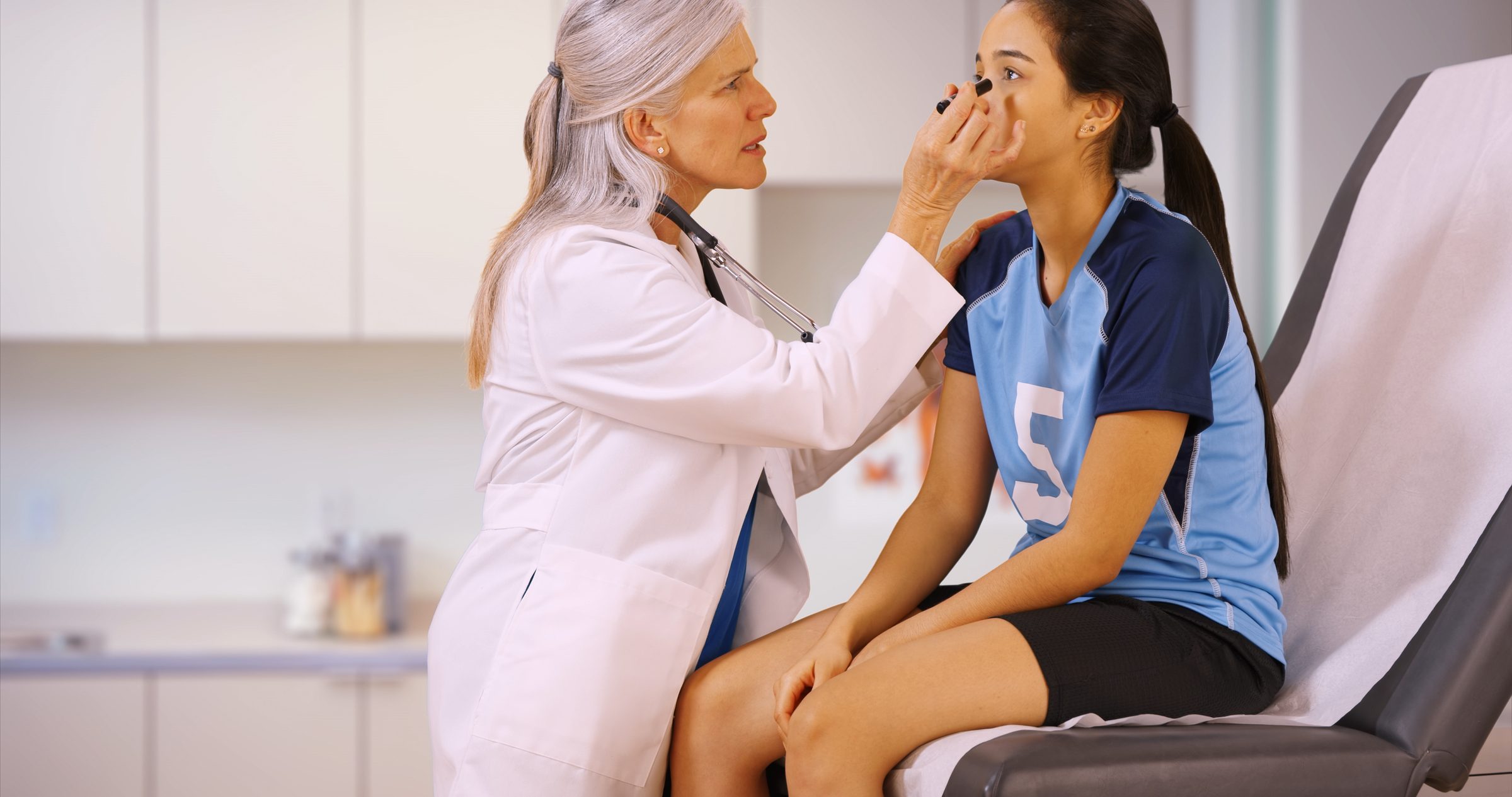
The signs are everywhere: rising depression, anxiety, sleep disruption, and emotional distress in young people — alongside growing concern about the hidden effects of brain injury, especially for young athletes in contact sports. Families are searching for answers. Schools are overwhelmed. Clinicians need better tools.
Repetitive hits and traumatic brain injury are one significant, often invisible piece of this picture: they trigger neuroinflammation that disrupts the brain's neural networks, changing how a person thinks, feels, sleeps, and connects with the people they love.
Adolescence combines the highest risk with the highest neuroplasticity — the very quality that makes early intervention so promising. Nearly half of all lifetime mental illness begins by age 14, and suicide is the second leading cause of death for Americans ages 10 to 14.
This story does not need to end in despair. Healing is possible.
If you or someone you know is struggling, the 988 Suicide & Crisis Lifeline is free and confidential — call or text 988.
Our Mission
We help accelerate critical research that can help protect the developing brain, improve emotional regulation, support cognitive performance, and create new hope for youth, families, athletes, and communities. NeuroStrong Network is a newly formed 501(c)(3) inspired by Larry Carr, PhD. As a former elite athlete who played football in college and then professionally, Larry's journey mirrors what many athletes have suffered after a head injury. NeuroStrong Network is dedicated to filling key gaps, directing funds to further groundbreaking research, and putting what we learn into the hands of the people who need it.
"I was never diagnosed with a concussion in 15 years of football."Larry Carr, as told to The Athletic, New York Times, Sept. 11, 2026
Our origin story
From breakdown to breakthrough
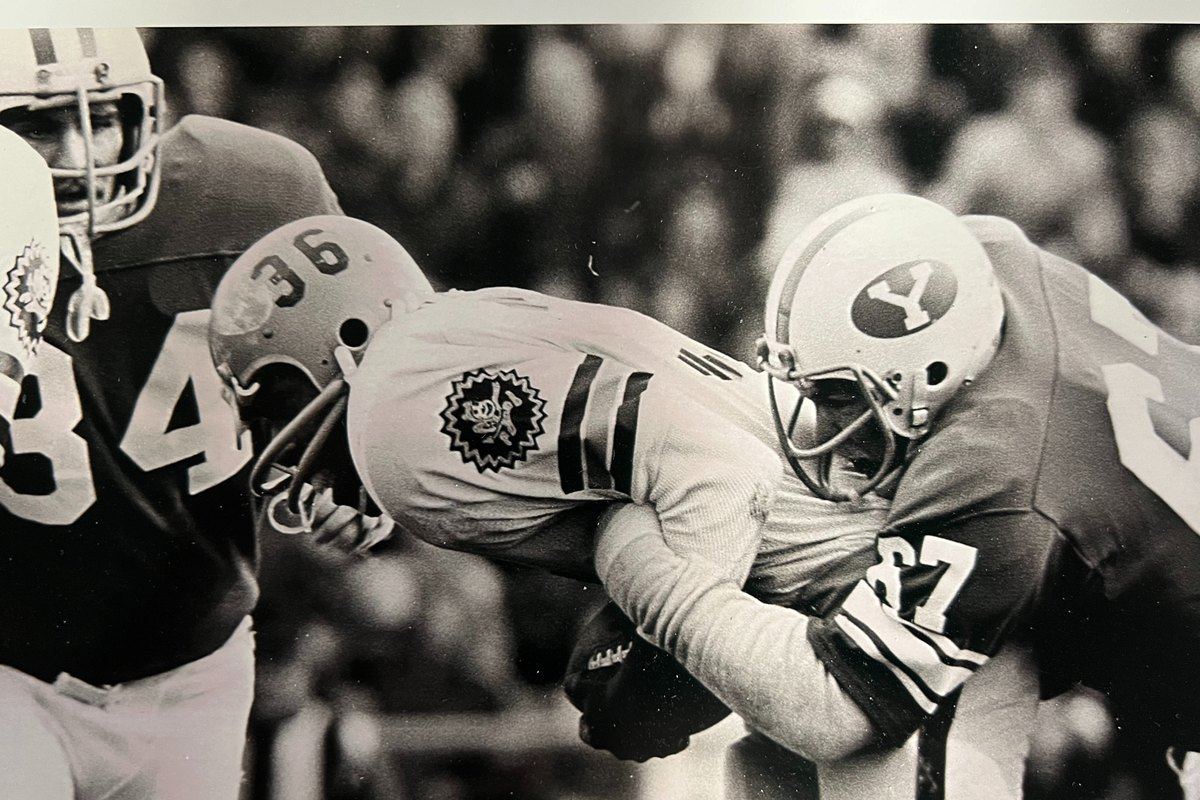
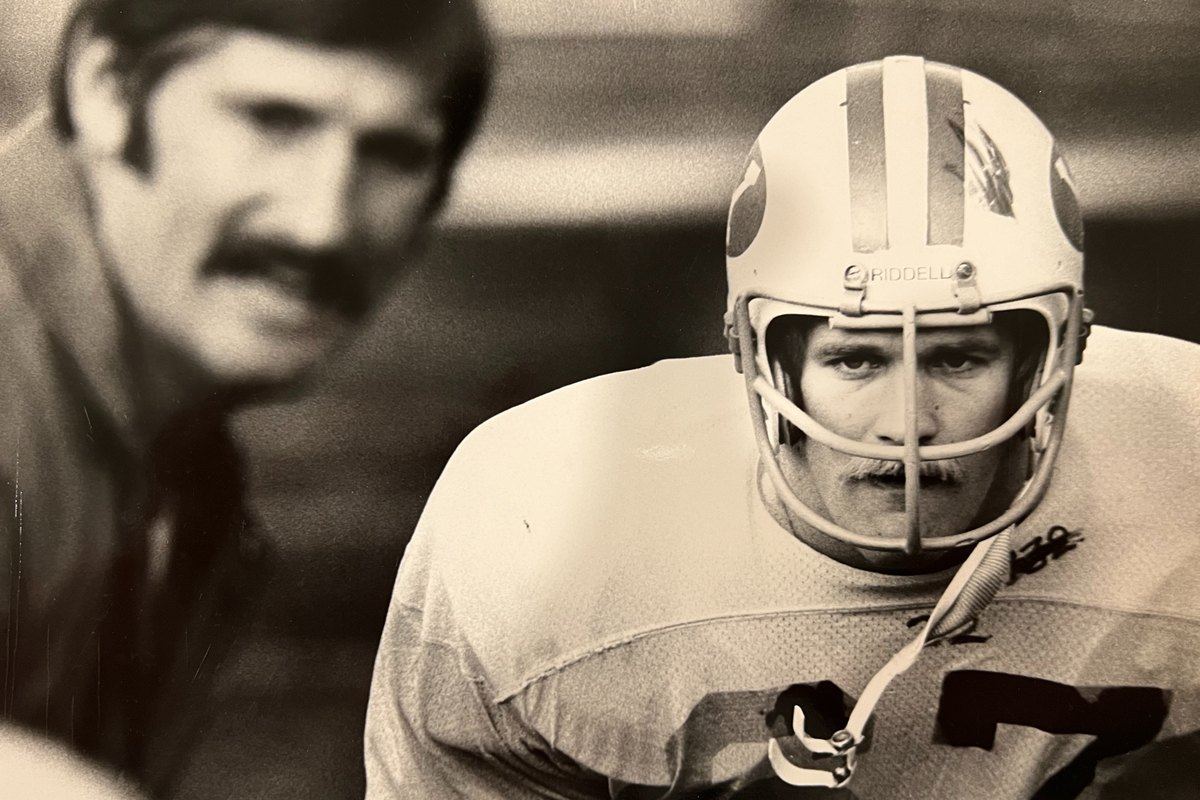
NeuroStrong Network is a non-profit foundation that began with one founder's personal search for answers. Larry Carr was a standout defender at BYU, where he is a member of the BYU Athletics Hall of Fame. In his 1974 senior season, Carr was a three-year starting linebacker, BYU captain, defensive MVP, and first-team All-WAC selection. He helped the BYU Cougars win the WAC championship and reach their first bowl game in BYU history, recording 10 tackles in that Fiesta Bowl game. He went on to play professionally for the Calgary Stampeders and then earned a PhD, serving as a professor and department chair at Oakland University.
At 58, extensive neuro-cognitive testing and scan imaging revealed a neurodegenerative condition of the kind seen in many former football players. What followed were years of depression, agitation, and daily thoughts of suicide. There was no accepted treatment for the long-term effects of the injuries he had accumulated on the field.
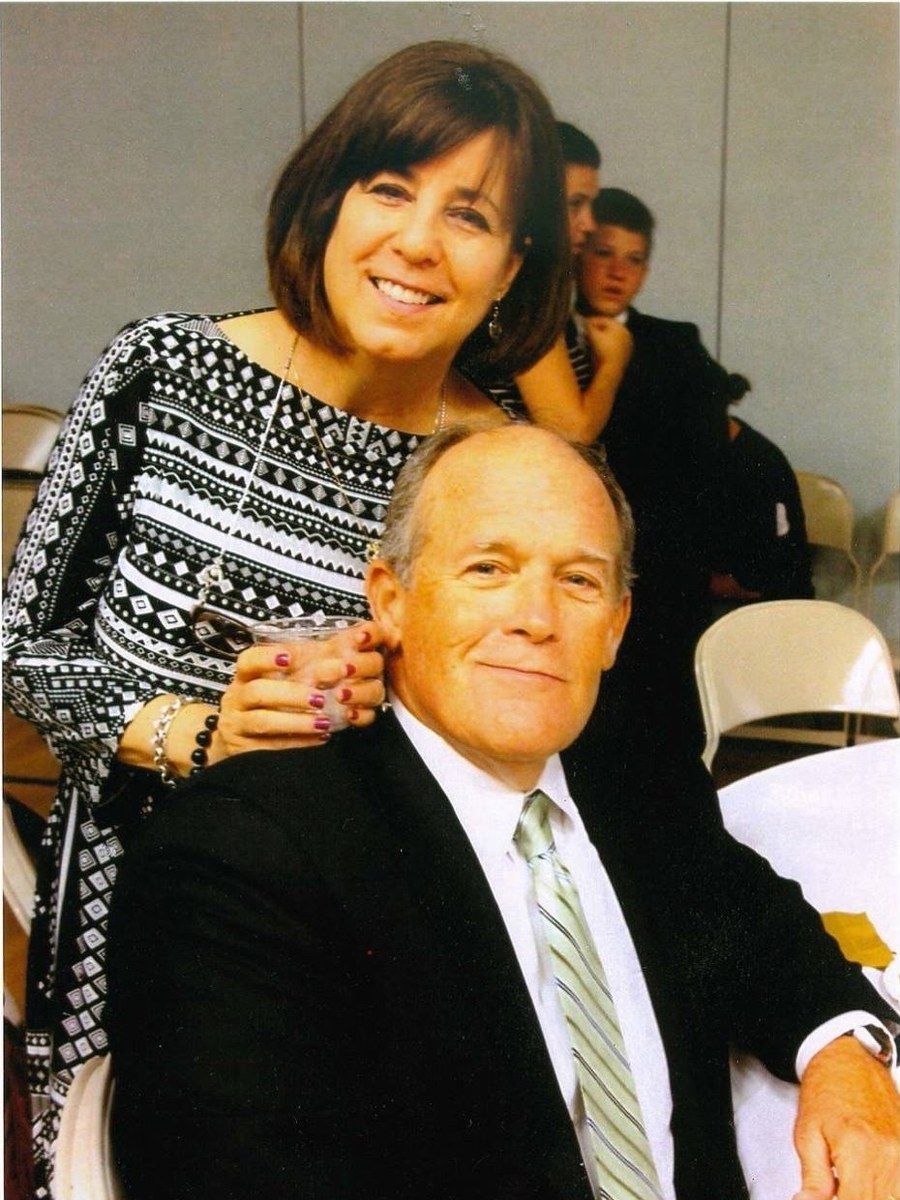
In a research study at Boston University, Larry was treated with photobiomodulation — red and near-infrared light applied to the head. The change in his quality of life was significant enough that he and his wife Laurie began asking a harder question: could this be shown to work for others?
That question led Larry to Dr. Elisabeth Wilde and the University of Utah's Traumatic Brain Injury and Concussion Center. Since then he has raised over half a million dollars to fund clinical studies at the University of Utah and BYU. He also contributes in his research role at the University of Utah School of Medicine.
"Larry Carr named the greatest defensive player in BYU history."
 Bleacher Report, 2011
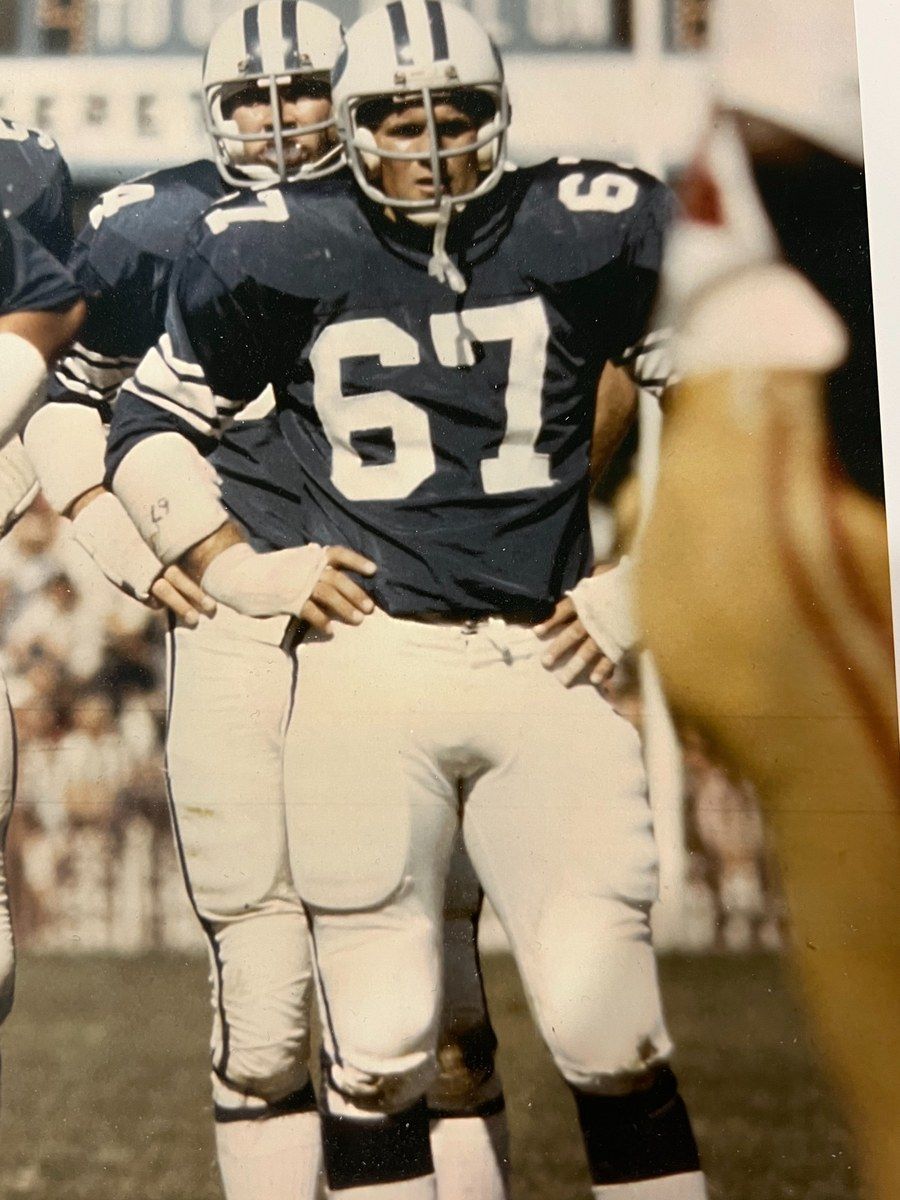
Larry Carr, BYU, 1970s
- Elite athlete
BYU Athletics Hall of Fame; Calgary Stampeders, CFL.
- Academic
PhD; professor and department chair, Oakland University.
- Diagnosis at 58
Neurodegenerative condition consistent with repeated head impacts.
- Treatment
Photobiomodulation research study, Boston University.
- Research funder
Clinical studies at the University of Utah and BYU.
- Co-founder
NeuroStrong Network, founding board member, 2026.
In partnership with the University of Utah
The Research
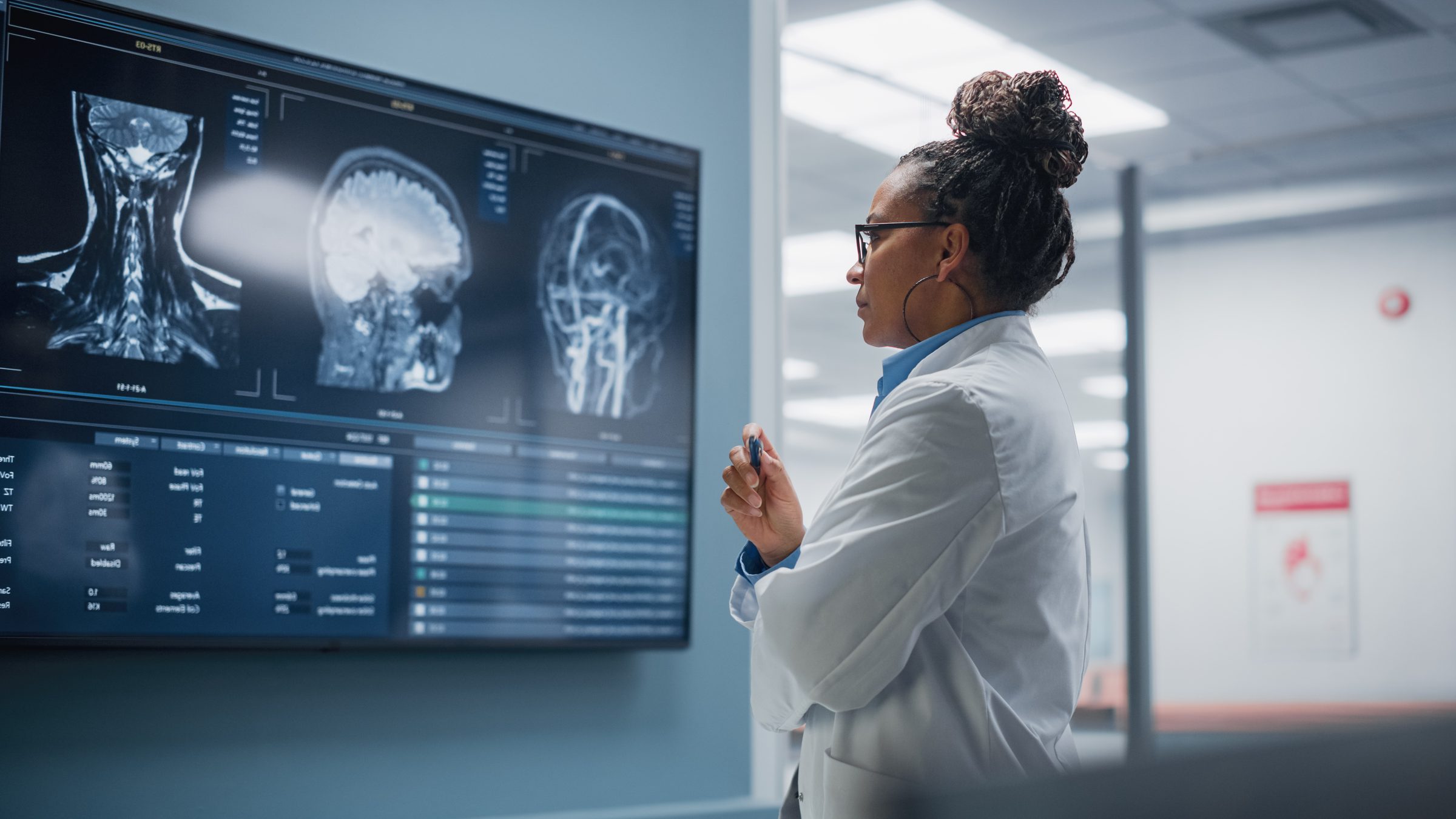
Photobiomodulation (PBM) uses low-level red and near-infrared light, delivered through the skull and nasal passages, with the aim of reducing inflammation, improving blood flow, and supporting cellular energy in the brain. It is non-invasive, drug-free, and can be used at home. It remains an investigational therapy: the studies below are the work of establishing whether, and for whom, it works.
Over seven years and seven completed studies, the University of Utah TBI & Concussion Center — led by Dr. Elisabeth Wilde, with collaborators including Dr. Carrie Esopenko (Icahn School of Medicine at Mount Sinai, New York), has documented improvements in cognition, mood, sleep, motor performance, and quality of life, along with measurable changes on brain imaging. The program studies former collision-sport athletes, current collegiate athletes, firefighters, first responders, and veterans, and includes what is understood to be the largest federally funded PBM/TBI clinical trial to date.
The research itself belongs to the University of Utah's team. NeuroStrong Network's role is to help fund it, accelerate it, and make sure more people learn what it finds.
"We have seen improvements in mood regulation, cognition, sleep, and physical performance… our participants describe substantial benefit from this easy to administer and low risk intervention."
Dr. Elisabeth Wilde, co-director, University of Utah TBI & Concussion Center
New in 2026: the University of Utah team now holds IRB approval to extend this research to high school athletes — a critical next step toward protecting younger, still-developing brains.
What the Research Has Found So Far
Selected publications
- Liedel SW, Johnson PK, Lindsey HM, et al. A proof-of-concept study investigating the effects of transcranial-plus intranasal photobiomodulation on cognitive function after repetitive head acceleration events.Photobiomodulation, Photomedicine, and Laser Surgery, 2020.
- Keleher F, Esopenko C, Lindsey HM, et al. Improvements in resting-state functional connectivity of the cerebellum in adults with a history of repetitive head acceleration events.Photobiomodulation, Photomedicine, and Laser Surgery, 2022.
- Johnson PK, Fino FC, Wilde EA, et al. The effect of intranasal plus transcranial photobiomodulation on neurovascular control in individuals with repetitive head acceleration events.Photobiomodulation, Photomedicine, and Laser Surgery, 2024.
- Tate DF, Lindsey HM, Wilde EA. Transcranial photobiomodulation and firefighter health and wellness: a single-arm, open-label pilot study.Photobiomodulation, Photomedicine, and Laser Surgery, 2023.
- Lindsey HM, Esopenko C, Jain D, et al. Transcranial photobiomodulation promotes neurological recovery in former athletes with repetitive head impacts.Journal of Neurotrauma, 2026.
Citations from the University of Utah itPBM research summary. Add DOI links once verified. A full list is available on request.
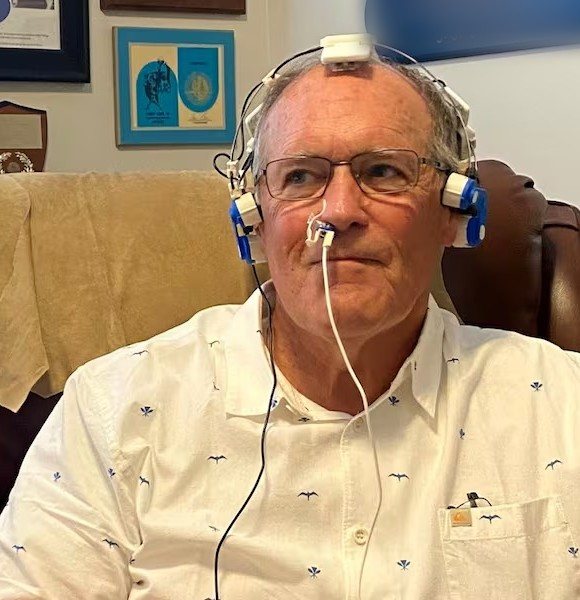
Larry Carr wears a tPBM headset used in some of the University of Utah research trials with Brigham Young University athletes.
Planned and ongoing work
Longer-term follow-up of the original cohorts, blood-based biomarker analysis, studies in moderate-to-severe TBI and stroke, pairing PBM with established rehabilitation techniques, and a pilot trial toward FDA approval. Similar pediatric photobiomodulation research is already underway elsewhere, including at Massachusetts General Hospital.
Stay informed
Be the first to hear when NeuroStrong Network launches, when new research is published, and how to get involved. No more than one or two emails a month.
We will never sell or share your email address.
Media and speaking
As a founding board member of NeuroStrong Network, Larry Carr speaks from three vantage points at once: as a former professional player, as an academic, and as someone who has funded and actively participated in the research. He is available for interviews on brain injury and CTE, on what "treatment" means for former players, and on the gap between what is being diagnosed and what is being done about it.
Requests for researchers in our network can also be routed through the contact here.
- Media, Speaking and Research Partnership Inquiries
- info@neurostrongnetwork.org